QESHM ISLAND · SIX YEARS · CONTINUING
Listening to the Tide
A village that was selling its scenery learned to sell its knowledge of the water.
Where
Tabl Village, Qeshm
Since
2019
With
Hassan, and the village
Income
Up more than 600%
Hassan’s reported earnings from the boat, over the following years.
Status
Still going
How it started
I didn’t come to Qeshm looking for a project. I came looking for silence.
For ten days I camped alone in the Hara mangrove forest. No brief, no client, no outcome to design toward. Only the tides, and a landscape that moved according to a different intelligence.
That’s where I met Hassan.
He wasn’t a guide or an entrepreneur. He was a fisherman who knew these waters the way you know your own house. Every tide, every channel, every season lived in his memory. When he offered to take me into the mangroves, he charged only enough to cover the fuel.
Some collaborations begin with a contract. Ours began with curiosity.
The Hara mangroves, Qeshm.
Learning to listen
Hassan never spoke about the mangroves as a resource.
Over those days the forest stopped being scenery. It had its own rhythm, its own relationships, its own quiet intelligence — and he spoke about it with respect. Looking back, that respect shaped every decision we made afterwards.
We weren’t trying to build an eco-tourism business. We were trying not to betray the place that had brought us together.
Years later I would call this life-centered design. At the time it just felt like the only honest way to work.
The question
How can a place earn a living without losing what makes it worth protecting?
Hassan’s fishing boat became a vessel for slow passage through the mangroves. We redesigned the visitor journey, clarified the story, built an identity, opened new sources of income, and shaped an experience around the rhythms of the place rather than the expectations of tourism.
Nothing was imported. Everything grew from what was already there.

The boat, after.
What changed
600%
Hassan’s reported earnings from the boat, over the following years.
Longer
Visitors stayed on the island and went deeper into it.
Others
Boat captains along the coast began adapting the same ideas.
Women
Artisans found new ways to share and sustain local craft.
Tabl
The village is now somewhere other coastal communities come to learn.
None of it came from adding attractions. It came from paying closer attention to what was already there.
What it taught us
The mangroves were never the setting. They became the client.
That changed what we were willing to build.
Still going
The Living Knowledge School
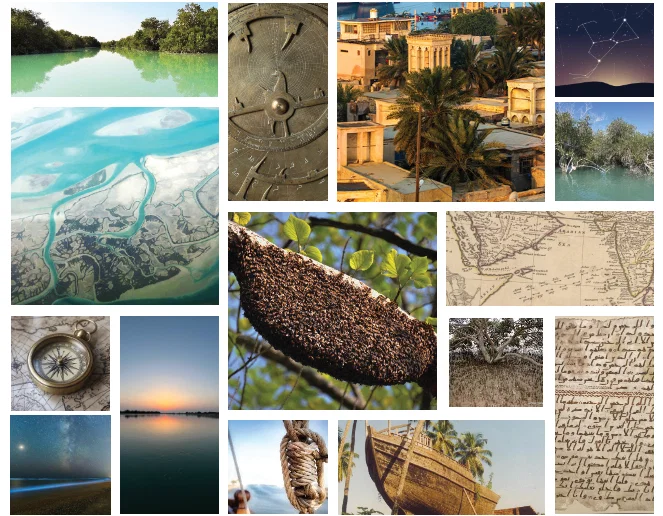
With the community, we’re now developing an informal learning initiative in Tabl Village — traditional ecological knowledge, boat building, storytelling, heritage, and contemporary conservation, held together in one place.
The goal isn’t to preserve the knowledge. It’s to make the conditions for it to keep living.
The strongest communities don’t inherit traditions. They continue them.
Written from ongoing conversations and fieldwork in Tabl Village since 2019.
Ali — Charshanbe